
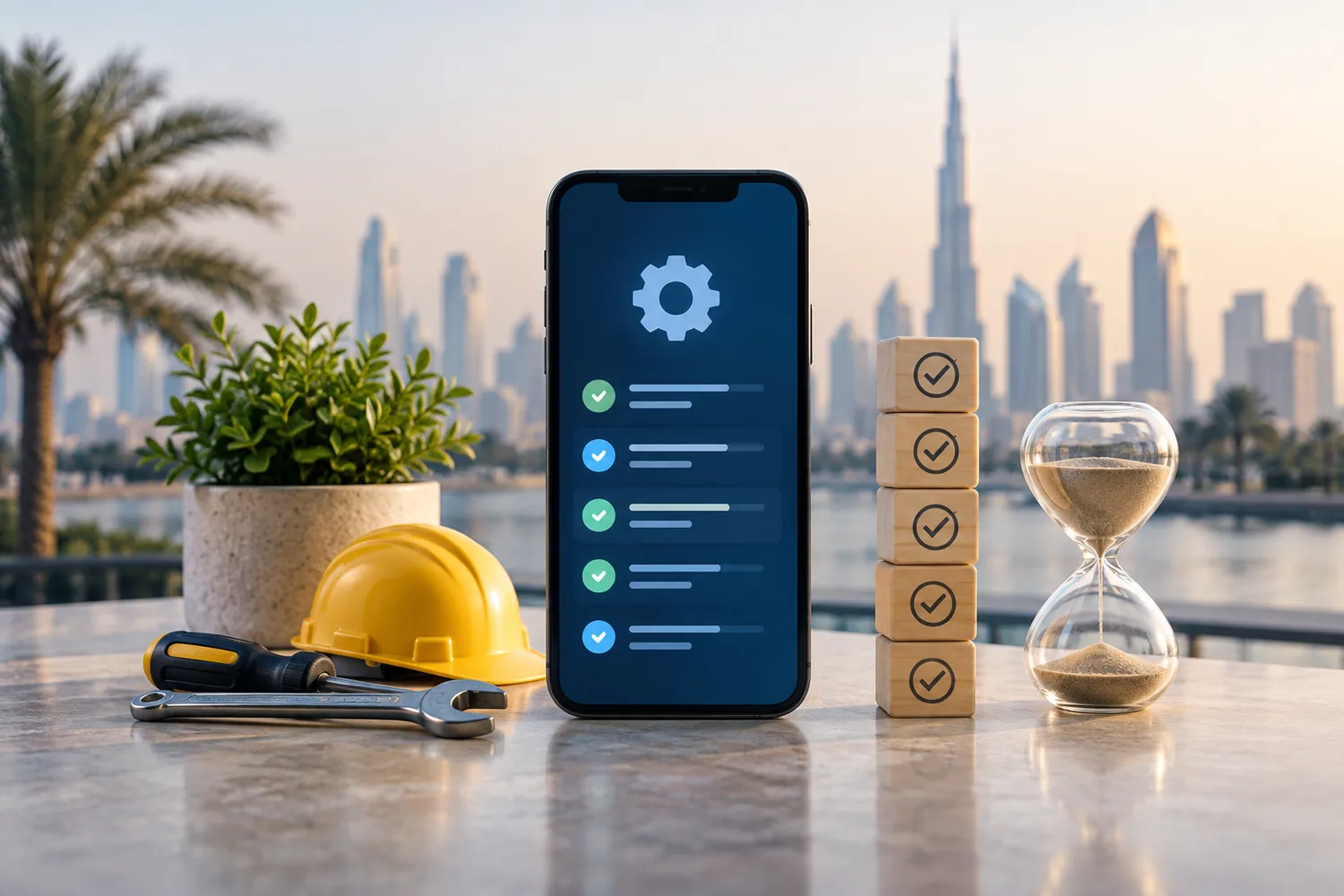
Launch day gets treated as the finish line, with good reason — it's the visible milestone, the thing that gets celebrated and reported on. For an app, it's closer to the starting line of a different, ongoing commitment, because unlike a website that mostly sits still until someone deliberately changes it, an app lives inside two operating systems and two app stores that keep changing whether the business wants them to or not.
Operating system updates aren't optional to keep up with
Both major mobile platforms release yearly updates, and each one can change how existing code behaves — a permission that used to be granted automatically now requires an explicit prompt, an API the app depends on gets deprecated with a countdown to removal, a screen size or interaction pattern the interface assumed no longer holds on new devices. An app that isn't actively maintained doesn't necessarily break the day a new OS version ships, but it accumulates small cracks with every release, and by the time something visibly breaks, it's usually because several update cycles' worth of small changes stacked up unaddressed.
Store policy changes arrive without warning and with a deadline
App store review guidelines change on their own schedule, not the business's, and a policy update can require a change to how the app requests a permission, presents a subscription, or handles a specific type of data — with a compliance deadline attached, after which the app can be removed from the store entirely until it's fixed. This isn't a hypothetical risk category; it's a routine part of operating in an app store, and an app with nobody watching for these changes finds out about them only when it's already been pulled or flagged, which is a far more disruptive way to learn about a policy update than reading a changelog in advance.
Support load doesn't stop at launch
Every real update to the underlying platform, every new device size, every edge case a real user finds that testing didn't cover, generates a support question or a bug report, and the volume doesn't taper off after launch the way a project timeline implies it should — it shifts from "getting the first version right" to "keeping a live product working for people who now depend on it," which is a different and ongoing kind of work, not a smaller version of the same finite project.
What a maintenance plan actually needs to cover
A realistic plan accounts for periodic testing against new OS releases before they become mandatory, not after something breaks; a standing process for tracking store policy changes rather than discovering them via a rejection notice; and a support channel that's actually staffed, not a form that quietly accumulates unread messages. None of this needs to be large — a small, regular allocation of time is usually enough — but it needs to exist as a defined, ongoing commitment, not an assumption that a finished app stays finished.
Why this matters before launch, not after
The realistic cost of keeping an app alive is worth understanding before the first version ships, not after the first support backlog or the first store rejection makes it unavoidable — an app budgeted as a one-time project, with no ongoing allowance built in, is an app that either degrades quietly or requires an unplanned, larger fix later, both of which cost more than planning for maintenance would have.
This sits alongside the other build-versus-buy questions covered in choosing how to build software that fits the business — an app isn't a one-time deliverable any more than a hired employee is a one-time hire. Our mobile team plans the maintenance commitment alongside the build, not as an afterthought once the app is already live.


