
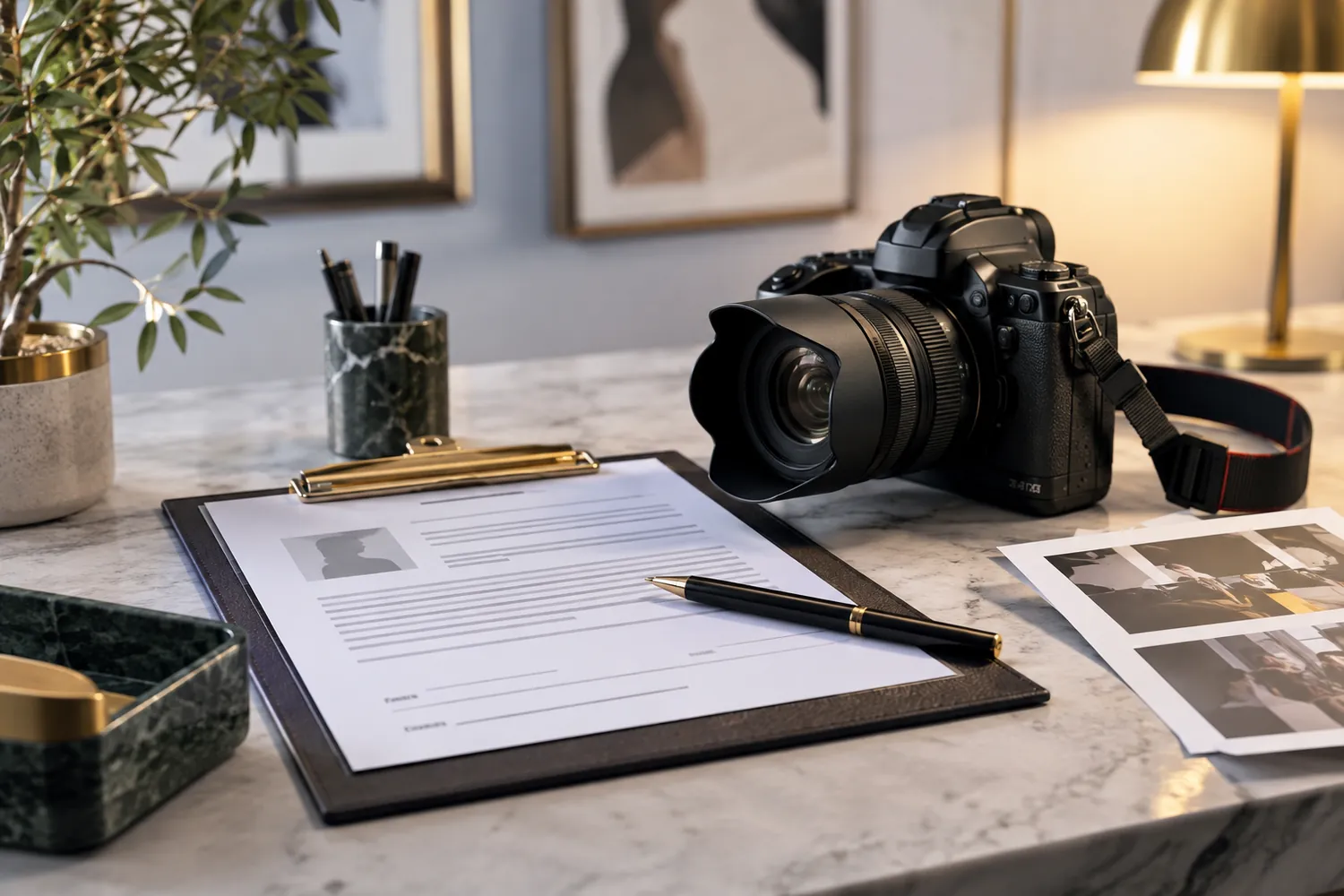
A before-and-after pair is the single most persuasive image a clinic can publish — and the one most likely to have something wrong with it by the time it goes live. The problem is rarely the photography itself. It's that four separate questions — what the advertisement is required to say, what the platform will currently allow, whether the patient in the photo actually consented, and whether the pair is honest — tend to get answered informally, in the moment, instead of settled before the camera comes out.
What MOHAP's guideline actually says
The clearest, most concrete rule here is federal, not platform-specific. The Ministry of Health and Prevention's Guidelines for Health Advertisement Approval Requisition address before-and-after imagery directly: such images are permitted, on condition that a disclaimer sentence — to the effect that there is no guarantee the result will be the same, since it may vary from one individual to another — appears clearly, in a font size comparable to the rest of the advertisement. The same guideline also requires the establishment to sign a declaration taking responsibility for any photo of an individual used in the design, and separately prohibits images that suggest intimacy or sex appeal, breach medical ethics, or encourage unhealthy or risky behaviour.
That is a real, checkable requirement, not industry folklore: the image is permitted, the disclaimer is mandatory, and it is the establishment — not the photographer or the agency — that signs for it. If your facility sits under an additional or different licensing authority, confirm separately whether an equivalent condition applies there too; MOHAP's guideline is the clearest documented instance of this rule, not necessarily the only one that could apply to your campaign.
Platform policy: what Meta and Google do right now
Separately from the regulatory question, the platform running the ad has its own rules, and those move independently of UAE law. Meta currently permits before-and-after imagery for general cosmetic products, procedures and surgeries, provided the ad is targeted to people aged 18 or older — but it polices the claim sitting next to the image as much as the image itself, and an exaggerated outcome promise, an unqualified timeframe, or a claim to cure a named incurable condition can get an ad rejected even when the photo pair alone would have been fine.
Google does not appear to publish a before-and-after-specific clause the way Meta does. Its advertising policy instead polices unrealistic or unsubstantiated result claims broadly, which a before/after pair can easily trigger if the surrounding copy implies a guaranteed or extreme outcome. A result claim presented as a testimonial generally needs a visible disclaimer that results are not guaranteed and can vary.
Both of these are platform policies, not law, and both platforms have changed this kind of policy before. Check the live policy page on each platform's own site immediately before a shoot or a campaign goes live — not this article, and not whatever cleared review last time.
Consent is a separate question from platform policy
Even an ad that satisfies MOHAP's disclaimer condition and both platforms' current policies still has one more question to answer: did the identifiable person in the photo actually agree to this specific use. Federal Decree-Law No. 4 of 2016 Concerning Medical Liability prohibits disclosing a patient's information without a qualifying exception, and a before/after image that lets someone be recognised as a specific patient — even without naming them — functions as a disclosure. It requires that patient's own informed consent, a separate requirement from anything a platform's policy or MOHAP's advertising guideline asks for.
For DHA-licensed facilities in Dubai, DHA's own standard for medical advertisement content on social media adds a further requirement: documented consent before a patient's image is used in advertising at all. The precise wording of that clause is worth confirming directly against DHA's current published standard before you rely on it for a specific campaign — a secondary summary, including this one, shouldn't be treated as the final word on details like scope or duration.
What the industry does as a matter of practice
None of what follows is a cited legal requirement. It's common practice among clinics and the marketers who work with them, useful because it makes the requirements above easier to satisfy, not because any regulator mandates it:
- Getting a signed, dated consent form before the "before" photo is even taken, rather than retrofitted once the campaign already exists.
- Storing that consent record separately from the published asset, with a review or expiry date attached to it.
- Shooting the pair under matched, controlled conditions — the same setup, the same framing — partly for credibility and partly because it makes a "results may vary" disclaimer easier to stand behind.
A photography service built around this kind of paperwork-first workflow is doing something different from a standard product shoot, and it's worth choosing a photographer who already treats it that way.
HEYA's recommendation
Our own view, offered as editorial opinion rather than a citation of any rule: treat consent, the current platform-policy check, and a clinical-realism review as one pre-shoot checklist, signed off before anyone books the room — not as questions raised after the images are already shot, the campaign is built, and reshooting means losing the schedule. Settling all three upfront costs an afternoon. Settling them after a platform rejection or a patient complaint costs considerably more.
None of this replaces a conversation with your own compliance advisor about your specific facility, licensing authority and campaign. This article orients you to the questions that need answers; it isn't a substitute for getting them answered by someone who can see your particular case, and, as with the platform rules above, the current text of any guideline you're relying on is worth confirming rather than working from a summary.
Before-and-after imagery sits inside a wider patient acquisition strategy that has to hold up under regulatory review as well as under a scroll — getting this sequence of questions right is what lets a clinic use its best evidence without gambling the campaign on it.


