
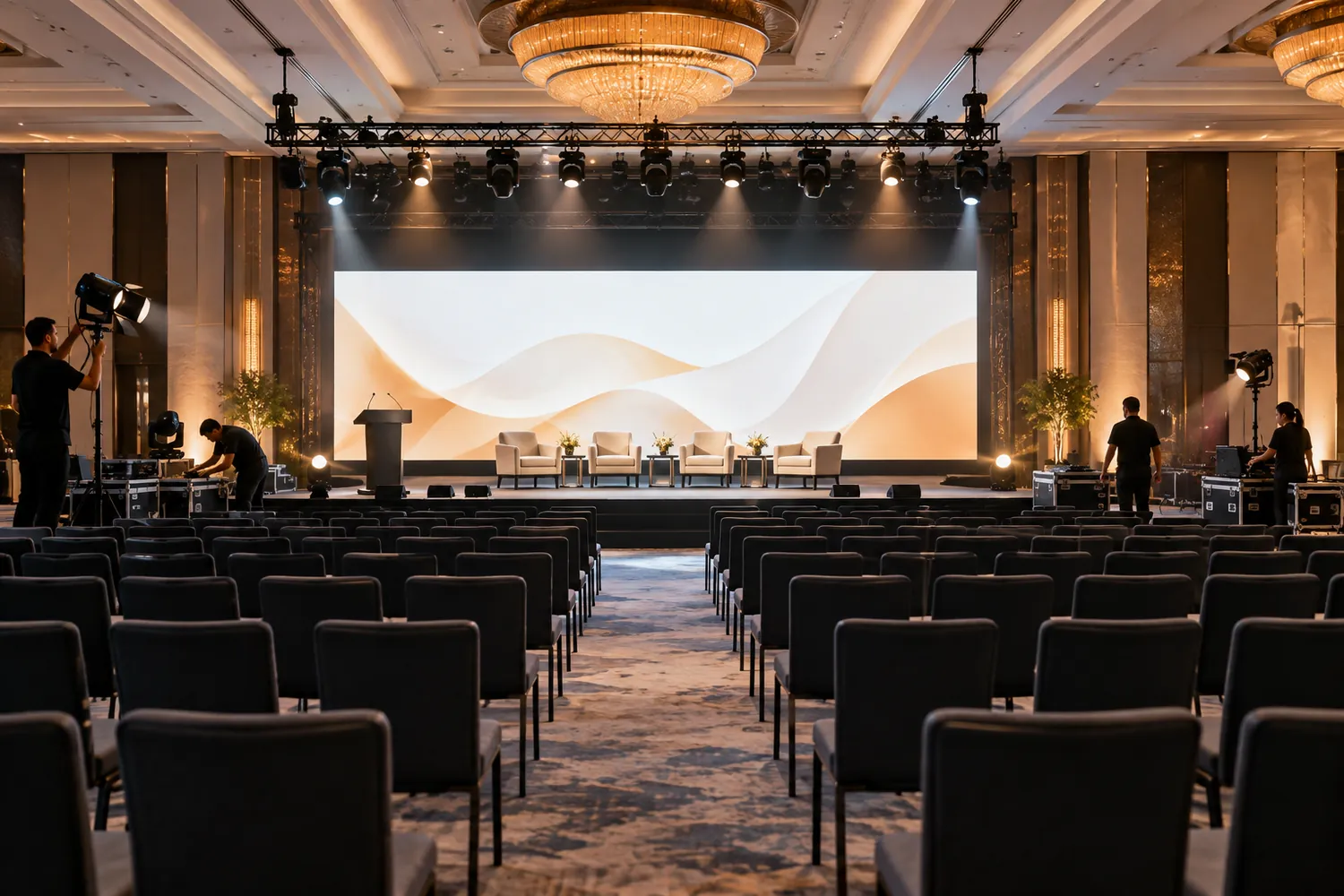
Most event promotion follows the same pattern: the date gets confirmed, a poster gets designed, and a promotional push begins a few weeks out. By the time this starts, the single most important input to whether the event fills is already largely decided — and it was decided months before anyone thought to call it promotion.
Why the timeline is usually backwards
An event fills from an audience that already has some reason to pay attention when the announcement lands — people who already follow the brand, who attended something similar before, who are already part of a community the event speaks to. Promotion that starts at announcement is trying to build that audience and convert it in the same few weeks, which is a much harder job than converting an audience that was already warm.
The actual sequence that fills a room has three distinct phases, and the first one starts long before there is a date to announce.
Phase one: build the audience before there is anything to announce
This is the phase almost everyone skips, because it does not look like event promotion — there is no date, no ticket link, nothing to point an ad at yet. What it actually is: content and presence that builds a following genuinely interested in the kind of thing this event will eventually be. A series or community around the topic, consistent presence that gives people a reason to already be paying attention, relationships with people who would plausibly attend or help spread the word.
An event announced into an audience that has been building for months converts at a completely different rate than the same announcement sent cold. This phase can run for months before a single logistical detail of the event is settled, and the businesses that run consistently successful events almost always have this working continuously, not restarted from zero for each one.
Phase two: the announcement, timed and structured to convert the warm audience
The announcement itself should feel like a payoff to the audience that has been building, not a cold pitch. This means the announcement content should reference what has already been building anticipation, should make clear why this specific event matters to this specific audience, and should give an early, genuine reason to commit now rather than "eventually" — early pricing, limited capacity, a real reason tied to the event itself rather than an arbitrary countdown.
The biggest mistake in this phase is treating the announcement as the whole campaign rather than the ignition point for a sequence that continues after it. A single announcement post produces a single spike; the actual ticket sales curve needs sustained visibility over the following weeks, not one moment of attention that fades within days.
Phase three: the final push, built around real urgency, not manufactured panic
The final one to two weeks before an event genuinely do move behaviour — this is when undecided people convert, when word of mouth from already-committed attendees does real work, when a final, honest capacity or deadline actually motivates action. This phase works because phases one and two already did the harder work; it is closing, not generating interest from nothing.
What undermines this phase is fake urgency deployed too early or too often — a "selling out fast" message that has been running for six weeks stops meaning anything by the final week, when it would actually be true and actually matter. Save the real urgency signals for when they are real.
What this means for how promotion should actually be planned
The practical implication is that event promotion planning has to start counted in months before the date, not weeks. If phase one — audience building — has not been happening, an event should either accept a longer runway to compensate, invest more heavily in paid reach to substitute for the organic warmth that is missing, or both. What does not work is compressing all three phases into the three weeks before the date and expecting the results of a campaign that actually had months to build.
Our marketing team plans event promotion against this three-phase sequence from the start, because the events that consistently fill are rarely the ones with the best final-week push — they are the ones where the audience was already there before the date was ever announced.


