
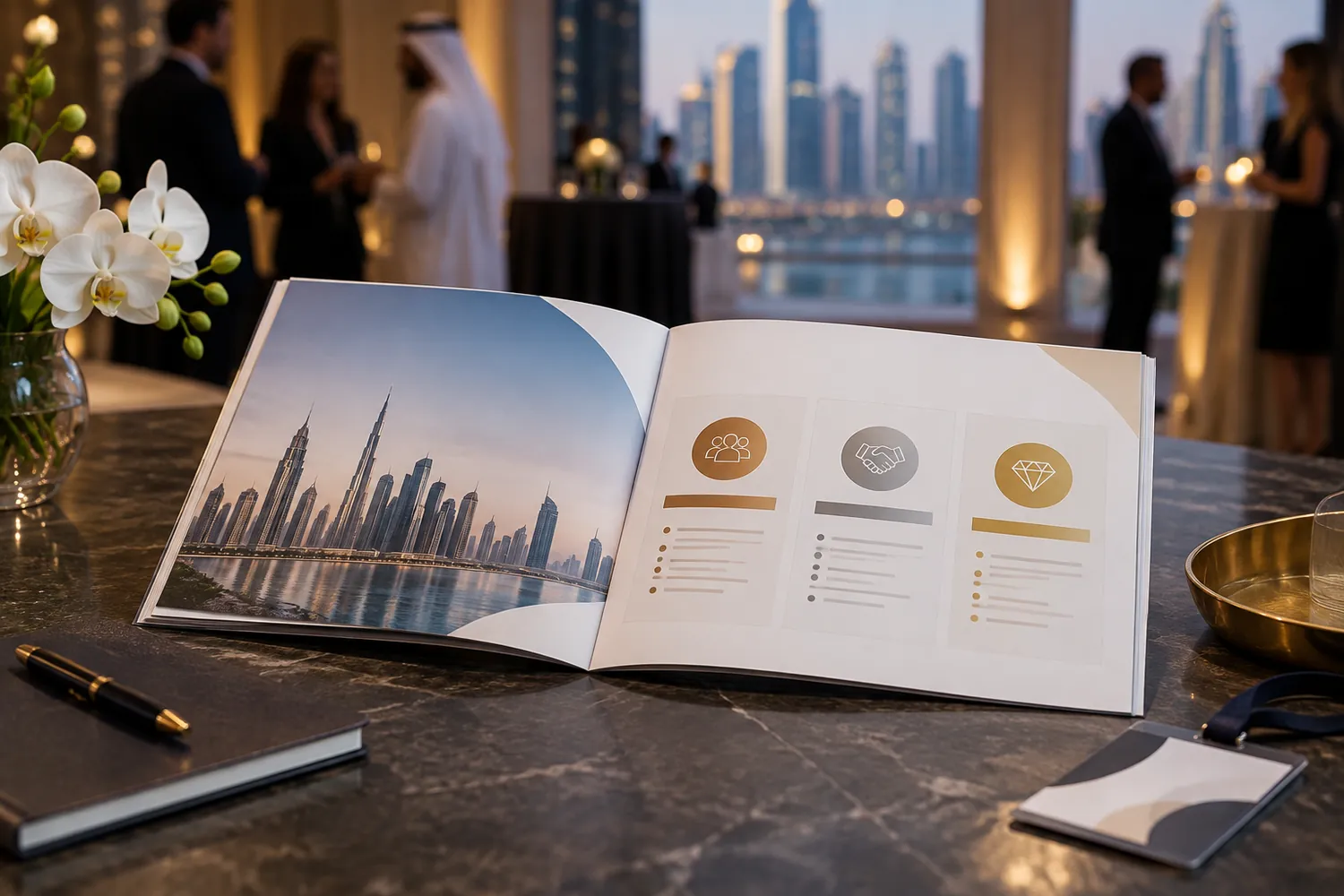
Most sponsorship decks still open with three tiers — Gold, Silver, Bronze — differentiated mainly by how large the logo appears on the step-and-repeat and how many free tickets come attached. It is an easy deck to produce, because it can be built before a single sponsor conversation happens. It is also, more often than not, the reason a promising sponsor prospect goes quiet after the first email: the package answers a question about visibility that was never really the question they were asking.
The logo-size trap
Ranking sponsors by logo prominence assumes every sponsor wants the same thing in different quantities — more visibility, bigger badge, better seat. In practice, sponsors show up with genuinely different objectives. A recruiter wants access to a specific kind of attendee. A software company wants qualified leads and a demo slot, not brand awareness. A local business wants to be seen as a community supporter more than it wants a logo on a banner nobody photographs. A generic tier built around size treats all three the same and satisfies none of them particularly well, because none of them were actually short on visibility — they were short on a specific outcome logo placement does not deliver.
What sponsors are actually buying
The conversation that produces a package worth paying for starts with what the sponsor needs to report back to whoever approved the budget. That is rarely "our logo was on a banner." It is closer to a lead list with contact details, a documented number of qualified conversations, a speaking or panel slot in front of the right room, first access to attendee data before a competitor gets it, or content — photos, quotes, a short video — they can reuse in their own marketing for months afterward. Once the objective is named, the package can be built to deliver that specific thing, with logo placement as a minor line item rather than the whole offer.
Building tiers around outcomes, not visibility
A more durable structure groups packages by what the sponsor walks away with rather than by how much they spend. One tier is built for lead generation — a stand in a high-traffic zone, a scan-to-capture setup, a post-event contact list. Another is built for thought leadership — a speaking slot, inclusion in official content, a co-branded piece of follow-up content. A third is built for community standing — sponsorship of a specific moment attendees remember, credit in materials that circulate afterward. Sponsors then choose based on what they need this quarter, not based on how much budget they were handed, which tends to produce a better fit and a sponsor more likely to renew.
Selling the package as a conversation, not a PDF
The deck still matters, but it works better as a starting point for a call than as a document a prospect is expected to read cold and self-select from. A short conversation about what the sponsor actually needs this cycle — before the tiers are even shown — lets the package be positioned around the objective that conversation surfaced, rather than leaving the sponsor to guess which pre-built tier fits them. That single change, moving the conversation before the pitch instead of after it, is usually what separates a sponsorship deck that gets forwarded internally from one that gets a polite decline.
Sponsorship sits inside the same plan that fills the room the sponsor is paying to be part of — a well-attended, well-promoted event is the foundation every sponsorship tier is actually selling. Our consulting team builds sponsor packages around what each prospect is trying to achieve, so the pitch starts from their objective rather than a generic price list.


